
Listen Now


Today’s episode dives into a hot topic circling the internet: non toxic period products. A recent study reveals that tampons contain heavy metals, raising concerns about their safety. In this episode, I explore why this is alarming for consumers and discuss safer alternatives for managing your period.
In this episode, you’ll hear:
-Findings from UC Berkeley’s Study: Some details about the recent research from UC Berkeley, which found heavy metals like arsenic and lead in tampons, including both conventional and organic cotton products.
-Health Concerns for Women: Why the presence of heavy metals in tampons is a significant health concern and how these substances can affect your body.
-Organic Cotton Pads: Why organic cotton pads might seem like a better alternative but may still be problematic due to the potential of using the same materials as tampons.
Avoiding Conventional Products: Why you need to avoid conventional tampons and pads that contain additional chemicals and fragrances that can disrupt your hormones.
-Exploring Menstrual Cups and Discs: An overview of menstrual cups and discs, including tips on how to choose the best one for you and their pros and cons.
-Period Underwear: Information on period underwear and what to consider when selecting what is right for you.
Being informed about what comes in contact with our body is crucial, especially if you have endometriosis. If you’re worried about heavy metal levels in your body, tests like the HTMA (Hair Tissue Mineral Analysis) can be done with a functional practitioner. This episode is about informing and not to scare you, and provide you with the tools you need to live a better healthier life.
Resources:
Subscribe to The Endo Belly Girl Podcast:
Apple | Spotify
Connect w/ Alyssa:
Work w/ Alyssa:
Disclaimer: This podcast is for educational purposes only. This may not be the best fit for you and your personal situation. It shall not be construed as medical advice. The information and education provided here is not intended or implied to supplement or replace professional medical treatment, advice, and/or diagnosis. Always check with your own physician or medical professional before trying or implementing any information read here.
Episode info and transcription
Non-Toxic Period Products for Endo
In our latest episode, we looked into the world of period products, especially with recent studies looking at toxic heavy metals coming into play. My mission here is to fill you in on the facts around this study and to arm you with the knowledge you need to make informed choices about what you use during one of the most sensitive times of the month.
—
The Importance of Quality and Testing in Supplements and Non Toxic Period Products
We talked in a previous episode with my colleague Kate Mahoney about looking into the quality and safety of supplements and I believe that similar standards should apply to feminine hygiene products.
It’s essential for companies to conduct thorough testing for contaminants, toxins, and heavy metals. The alarming discovery of toxic heavy metals like arsenic, lead, and cadmium in tampons by researchers from UC Berkeley serves as a wake-up call.
Both conventional and even some organic brands were found wanting in this regard, pushing us to reevaluate what ‘organic’ truly means in the context of feminine hygiene.
—
The Risks of Non-Organic Pads and Tampons
The absorbent nature of the vaginal environment means it easily absorbs both the beneficial and harmful substances it comes into contact with. Non-organic pads and tampons, particularly those that are scented, introduce a cocktail of chemicals into this sensitive area, potentially disrupting hormones and causing other health complications.
—
Safer Alternatives: Non Toxic Period Products
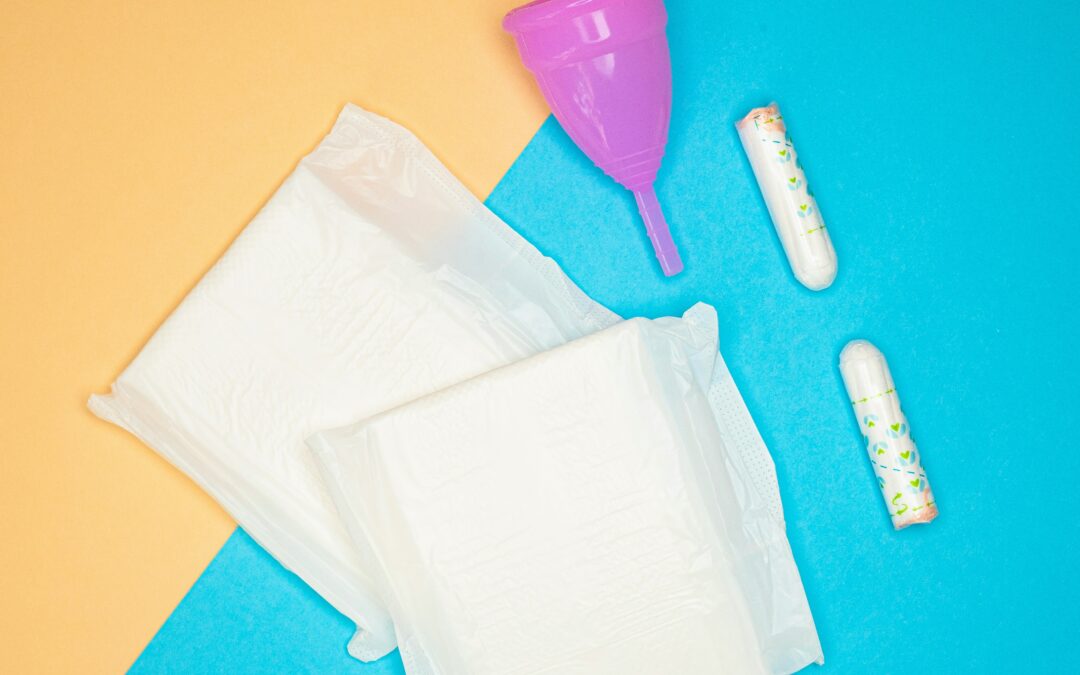
Switching to organic cotton pads, menstrual cups, and period underwear can be a game-changer for many women.
Organic Cotton Pads: Free from pesticides and harmful chemicals, these pads lessen the risk of allergic reactions and other skin sensitivities. However, the recent findings may indicate that even these aren’t completely safe from heavy metal contamination. Further studies may be needed to determine their safety, however since they are not inserted into the vagina, they may be a safer option.
Menstrual Cups: These silicone or rubber devices offer a sustainable and cost-effective alternative to disposable products. Initially, I was hesitant about using menstrual cups, but I decided to give it a try to save money and reduce waste.
Priced at around $20, these reusable cups can last up to ten years with proper care. They also provide insightful information about your menstrual flow and overall reproductive health. However, finding the right fit is crucial to prevent leaks and ensure comfort.
Period Underwear: Made from organic cotton and designed to handle heavy flows, period underwear can be used alone or in combination with other products for added security. They come in various sizes and shapes to suit different body types and flow levels.
—
Why Heavy Metal Exposure Matters
Heavy metals in period products pose serious health risks. The vagina’s mucous membranes are highly absorptive, making it more susceptible to absorbing these metals, which could impact fertility, organ functions, and even fetal development. This is not just fear-mongering—it’s a reality backed by scientific research.
Quoting Jenny A. Shearsten, the lead author of the UC Berkeley study, our episode highlighted how the presence of heavy metals in tampons is not restricted to a single brand. This discovery should compel companies to rigorously test both their raw materials and final products.
—
A Call for Greater Accountability in the Industry
The revelations about heavy metals in period products should prompt consumer-driven demand for more stringent safety measures. As we wait for the industry to catch up, it’s essential to stay informed and vigilant about what we buy.
Advocate for transparency and accountability from companies. Opt for brands that disclose their testing procedures and results, showing they care about consumer health and safety.
Understanding Hair Trace Mineral Analysis (HTMA)
One of the tools increasingly mentioned in holistic health circles is Hair Trace Mineral Analysis (HTMA). This relatively inexpensive test captures a three-month history of your mineral status, offering a deep dive into your body’s levels of essential minerals (like sodium, potassium, zinc, and magnesium) and screening for heavy metals (such as uranium and mercury).
Though often overshadowed by blood work and hormone testing due to its less ‘mainstream’ status, HTMA offers unique insights. By analyzing a small sample of hair, this test provides a comprehensive view of mineral imbalances and heavy metal exposure, which could be contributing factors to menstrual discomfort and overall health.
Taking Charge of Your Menstrual Health
Knowledge is power, especially when it comes to something as personal as menstrual health. By understanding the risks associated with various period products and learning about safer alternatives, you can make empowered choices that benefit your well-being and the environment.